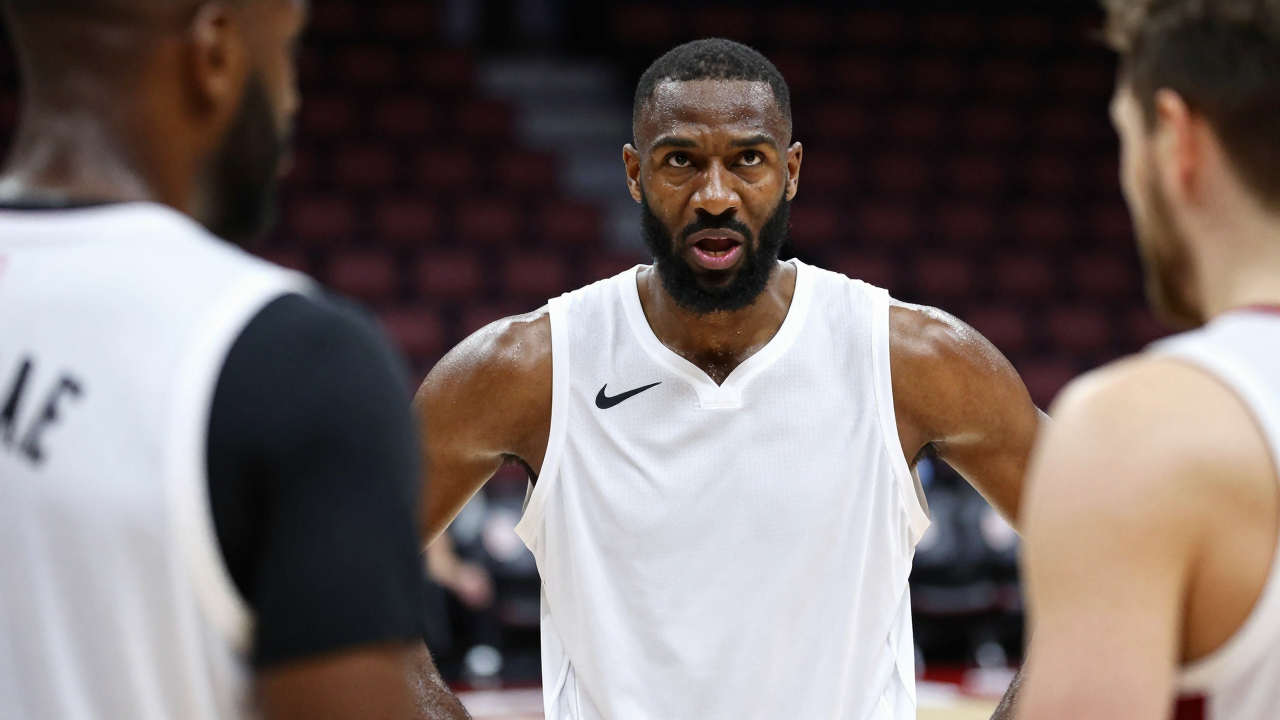

The Miami Heat are no strangers to the spotlight, particularly when discussions arise about acquiring star players. Yet, every time a rumor surfaces linking the Heat to a marquee name, a chorus of opposing fans emerges, questioning the team's potential. Are these critiques based on genuine concerns, or are they simply dismissals of the Heat's capabilities? This article dives deep into the rhetoric surrounding star acquisitions and examines how it impacts the Miami Heat's championship aspirations.
Fan Sentiment: The Doubt Surrounding Star Acquisitions
When the Heat are mentioned in the same breath as star players like Damian Lillard or Kevin Durant, opposing fans often respond with skepticism. The narrative often revolves around the belief that the Heat lack the necessary depth to compete at the highest level. Many point to the team's playoff performance, suggesting that even with a star, the Heat could be vulnerable to first-round exits.
Critics frequently highlight Miami's recent playoff runs, notably the 2022 Finals appearance and their 2023 playoff exit, suggesting that the team has hit a ceiling. They argue that without a robust supporting cast, the addition of a superstar won't translate to postseason success. This perspective raises valid questions about team dynamics and chemistry, often overshadowed by the allure of star power.
- Recent playoff performance: Critics often cite the Heat's struggles in the playoffs as evidence of their limitations. - Team depth concerns: Questions arise about whether the Heat can maintain competitiveness with a star while sacrificing depth. - Chemistry issues: New acquisitions can disrupt established team chemistry, leading to potential on-court difficulties.
The Numbers Game: Assessing Miami's Roster
Anyone who's followed the Miami Heat this season will know that the roster has its strengths and weaknesses. Players like Jimmy Butler, Bam Adebayo, and Tyler Herro have demonstrated the ability to shine in critical moments, yet there are lingering concerns about overall team depth. The Heat's recent performances reveal a mixed bag; while they boast impressive win totals, the consistency of their supporting cast can often be in question.
In the 2022-2023 season, the Heat finished with a 44-38 record, showcasing their ability to compete in the regular season. However, their playoff run ended in the Eastern Conference Finals, raising eyebrows among fans and analysts alike. The reliance on Butler and Adebayo to carry the load, especially in high-pressure situations, can be taxing and is often cited by critics as a reason for concern.
- Strengths: Miami has a strong defensive unit and a proven playoff performer in Butler. - Weaknesses: The depth behind the star players often raises questions about sustainability in the long haul. - Statistical insights: The Heat's FG% and 3PT% fluctuate, impacting their efficiency in crucial games.
What this means for Miami Heat
For the Miami Heat, the ongoing skepticism surrounding their ability to acquire and effectively utilize star talent is a double-edged sword. On one hand, it fuels a narrative that the team is underestimated, potentially providing motivation for the players to excel. On the other hand, it highlights the critical need for strategic roster management, particularly surrounding depth and chemistry as they pursue any high-profile acquisitions.
The Heat must consider the balance between star power and team cohesion. While adding a superstar could elevate their competitiveness, it’s essential that they maintain the infrastructure that has made them successful over the years. Without addressing depth concerns, the Heat could find themselves in a precarious position, even with a top-tier talent on the roster.
The Larger Championship Landscape
Looking beyond Miami, the landscape of the NBA is filled with teams vying for championship glory. With the likes of the Boston Celtics, Golden State Warriors, and Milwaukee Bucks consistently making noise in the postseason, the stakes are higher than ever. The Heat's path to a title isn't only about adding a superstar but also about navigating a competitive field.
The Celtics, for example, have shown how a balanced roster can lead to sustained success, boasting talent like Jayson Tatum and Jaylen Brown. This raises the question: can the Heat emulate that model? Acquiring a star could certainly make headlines, but it’s the synergy and chemistry that ultimately dictate playoff success.
- Competitive teams: The Heat must contend with established powerhouses in the East and West. - Title aspirations: Success hinges on not just a star addition but also the overall team strategy. - Future outlook: Miami’s front office will need to be astute in their decision-making to remain relevant.
Counterpoint: The Case for Caution
Critics will argue that the Heat's pursuit of star players might be misguided. The opposing viewpoint suggests that Miami should focus on developing their existing talent rather than seeking big-name acquisitions. Emphasizing chemistry and cohesion, skeptics warn that integrating a new star could disrupt the team's current rhythm and lead to unforeseen challenges on the court.