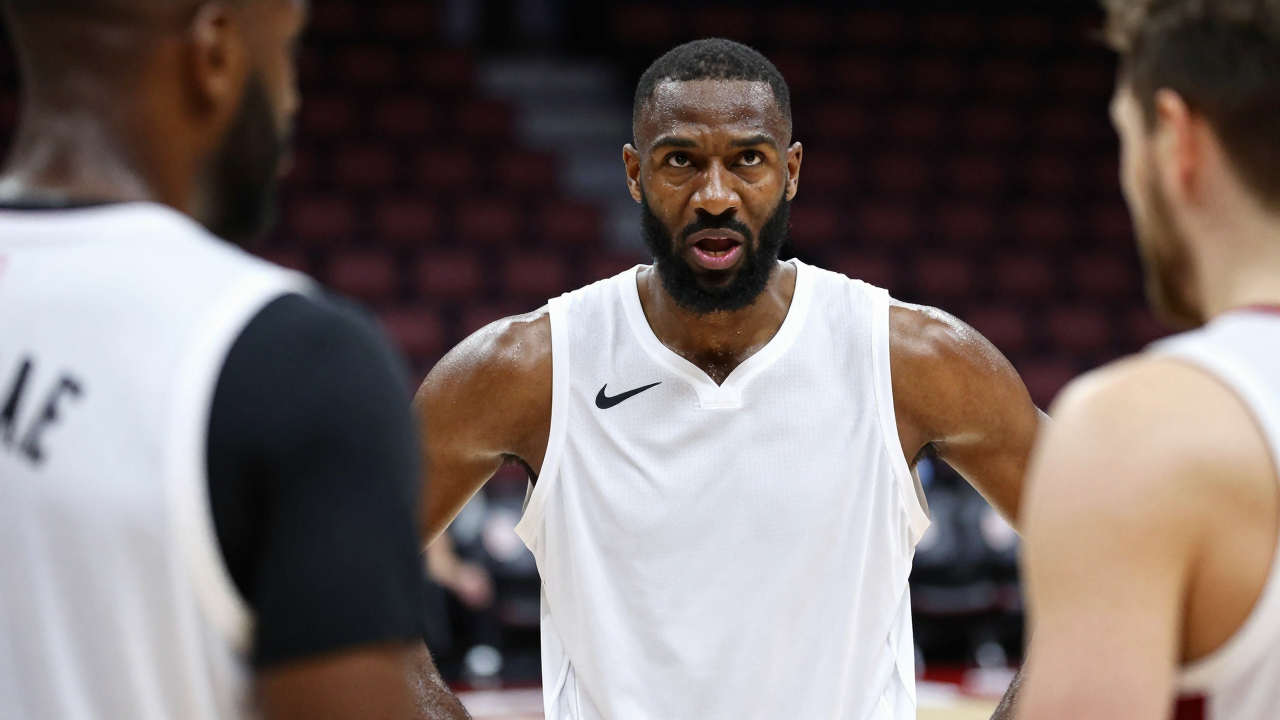

The Miami Heat are at a pivotal crossroads. As the season unfolds, whispers around the league suggest that the Heat might be considering a trade for a star player. However, this raises the question: is pursuing a high-profile player really the right strategy, or is it a sign of desperation? With a roster that’s starting to show promise, the Heat might want to reconsider their approach to roster management.
The Current Roster Landscape
The Heat's roster has faced scrutiny in recent seasons, with inconsistent performances causing fans to question management's strategy. However, recent games have revealed a more cohesive unit, led by the likes of Jimmy Butler and Bam Adebayo. The combination of Butler’s scoring ability and Adebayo’s defensive prowess has provided a solid foundation for the team.
While some fans might feel the pressure to land a star, the reality is that Miami has several promising assets. Young talents like Tyler Herro and Duncan Robinson have shown flashes of brilliance, and their continued development could be pivotal for the Heat’s long-term success. The balance of experience and youth is crucial, and rushing into a trade could disrupt the chemistry that’s starting to develop.
Trade Speculation and Fan Reactions
Recent discussions have suggested that the Heat may be “desperate” to acquire a star. This speculation stems from the team's inconsistent performance and their ambitions to return to championship contention. However, fans have mixed feelings about this potential direction. On one hand, acquiring a superstar could elevate the team’s status in the Eastern Conference; on the other, it risks sacrificing valuable young players and future draft picks.
If you’ve been following the Heat, you know that the franchise has a history of bold moves, including the acquisitions of LeBron James and Chris Bosh in 2010. While those trades paid off with championships, not every trade has had the same success. The fear is that a rushed trade could lead to another misstep.
- Pros of Trading for a Star: - Immediate boost in talent and experience. - Increased visibility and marketability for the franchise. - Potential to draw in other top players in the future.
- Cons of Trading for a Star: - Risk of losing key young players and future draft capital. - Possible disruption of team chemistry. - Financial strain with max contracts impacting salary cap flexibility.
What This Means for Miami Heat
For fans, the implications of a trade extend beyond just player performance. The Heat's identity, built on a foundation of hard work and resilience, could be at stake. If the front office opts to trade for a superstar, it sends a message that the current roster isn’t deemed strong enough to compete. This could lead to mixed reactions from the fanbase, as many supporters have invested emotionally in the growth of players like Herro and Adebayo.
Moreover, the risk of dismantling the current roster raises questions about the future. If Miami decides to part ways with beloved players, the backlash could be significant. Fans are passionate, and they remember past trades that didn’t pan out. Balancing ambition with caution is crucial at this juncture.
The Wider Championship Picture
Looking at the broader NBA landscape, the Eastern Conference is increasingly competitive. Teams like the Milwaukee Bucks, who recently secured their championship, and the Brooklyn Nets, loaded with star power, make the quest for a title more challenging. The Heat must assess whether they can genuinely compete with these teams as currently constructed or if a trade for a star is necessary.
The Heat's performance this season has shown promise, but consistency remains a concern. With the trade deadline approaching, assessing the competition will be critical. Can the Heat's current roster grow into a contender, or will they need to shake things up significantly to keep pace?
Counterpoint: The Case Against Desperation
Critics will argue that the Heat should embrace their current roster and focus on player development rather than making a hasty trade for a star. They point out that teams often find success with a core of homegrown talent, which can lead to a stronger, more cohesive unit. Relying on young players can also be beneficial in the long run, as they develop their skills and grow together, creating a strong foundation for future success.
Moreover, the potential for a star player to disrupt the team’s chemistry is a legitimate concern. The Heat have a culture that values teamwork and sacrifice, and introducing a high-profile player could alter that dynamic. The flip side is that the right star could elevate the team’s performance, but it’s a gamble that could backfire.